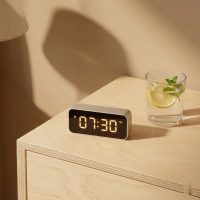
In our fast-paced world, precise timekeeping is no longer a luxury but a necessity. From perfecting your soufflé to smashing athletic records or managing complex industrial processes, the ability to accurately measure and control time is paramount. This is where the versatile digital timer and stopwatch steps in, transforming how we interact with every second. At Kenws.com, we’ve spent over a decade diving deep into the intricacies of these essential devices, and we’re here to equip you with the knowledge to harness their full potential, making you a true master of your time.
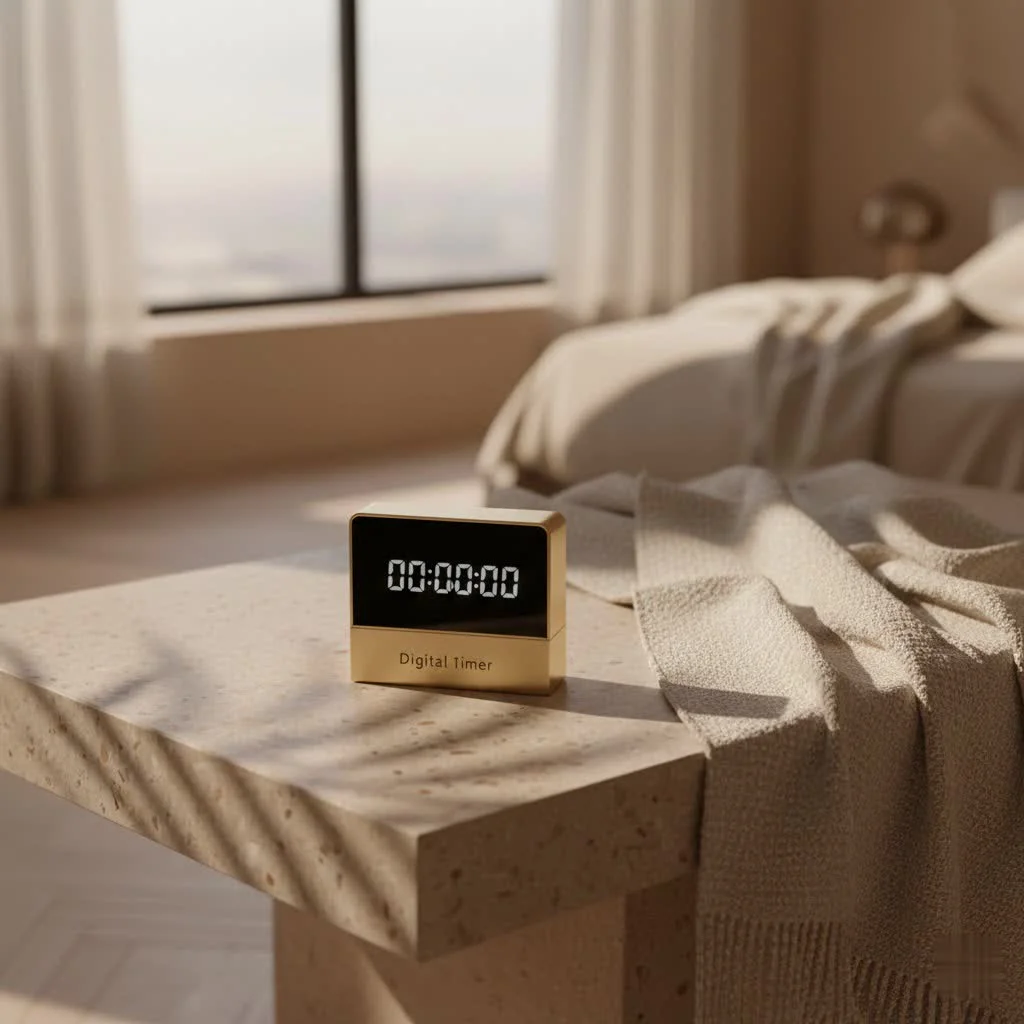
What Exactly Are Digital Timers and Stopwatches?
While often grouped, understanding the core function of each component is key to appreciating their combined power.
Defining the Digital Timer
A digital timer is fundamentally a countdown device. You set a specific duration – say, 10 minutes for your pasta or 30 seconds for a quick workout interval – and it counts down to zero, typically signaling completion with an alarm. Think of it as a digital hourglass with customizable precision. These devices are invaluable for managing tasks that have a predetermined end time, ensuring you stay on schedule and avoid overcooking, over-resting, or over-studying.
Defining the Digital Stopwatch
Conversely, a digital stopwatch is designed to measure elapsed time. Starting from zero, it meticulously tracks how long an event or activity lasts until you manually stop it. This is your go-to tool for recording personal bests in running, timing scientific experiments, or logging the duration of a presentation. It’s all about capturing the “how long did that take?” moment with absolute accuracy.
The Power of Combination
Many modern devices cleverly integrate both functionalities, offering the best of both worlds in a single, compact unit. This dual capability makes a combined digital timer and stopwatch an exceptionally versatile tool, ready for almost any timekeeping challenge you throw its way. Whether you need to count down your exercise intervals and then immediately measure your recovery period, a single device handles it all.
Why Go Digital? The Unbeatable Advantages
The shift from mechanical to digital timekeeping wasn’t just about flashing numbers; it brought a revolution in precision, versatility, and user-friendliness.
Precision and Accuracy That Counts
One of the most significant advantages of a digital timer and stopwatch is its unparalleled accuracy. Most digital models can measure time down to hundredths or even thousandths of a second, a level of precision that mechanical counterparts struggle to match. This millisecond accuracy is critical in fields like sports, scientific research, and industrial automation where even the slightest discrepancy can impact results.
Versatility in Application
|
Our Picks for the Best Digital Timer in 2026
As an Amazon Associate I earn from qualifying purchases.
|
||
| Num | Product | Action |
|---|---|---|
| 1 | VOCOO Digital Kitchen Timer - Magnetic Countdown Countup Timer with Large LED Display Volume Adjustable, Easy for Cooking and for Seniors and Kids to Use (Space Grey) |

|
| 2 | Easy to USE, Digital Kitchen Timer, Magnetic Timer,Tanmalan(Black,1 Pack) |
|
| 3 | GuDoQi Digital Hourglass Pomodoro Timer, Magnetic 1-99 Mins Adjustable Rechargeable Digital Countdown ADHD Timer, Mute/Low Volume/High Low Volume Modes for Work, Study, Back to School, Kitch, Black |
|
| 4 | Allbean Magnetic Kitchen Timer for Cooking with Loud Alarm - Large LED Display Rotating Countdown Pomodoro Timer, Preset 5/15/25 Mins Easy for Seniors and Kids,for Baking Grilling Studying |
|
| 5 | Elegant Digital Kitchen Timer, Stainless Steel Model eT-23, Super Strong Magnetic Back, Loud Alarm, Large Display, Auto Memory, Auto Shut-Off by eTradewinds |
|
| 6 | 6 Pack Multi-Function Electronic Timer, Learning Management, Suitable for Kitchen, Study, Work, Exercise Training, Outdoor Activities(not Including Battery) |
|
| 7 | Azosowo 2 Pack Digital Timer for Kids, Magnetic Kitchen Timers for Cooking, Egg, Teachers, Classroom, Study, Exercise, Oven Baking - AAA Battery Included |
|
| 8 | VOCOO Digital Kitchen Timer with 7.8” Extra Large Display, Magnetic LED, with 3 Brightness, 4 Alarms and 3 Volume Levels, Battery Powered Countdown Count Up Timer for Cooking, Classroom, Home Gym |
|
| 9 | Visual Kitchen Timer for Cooking,Chef Cooking Timers Clock with Loud Alarm,Timers for Classroom, Home and Study,Mechanical Desk Timer,No Batteries Required,Magnetic Back (Red) |
|
| 10 | 2 Pack Digital Kitchen Timer for Cooking Big Digits Loud Alarm Magnetic Backing Stand Cooking Timers for Baking White |
|
Digital devices offer an incredible range of applications. Their programmable nature means they can adapt to countless scenarios, often featuring multiple timing modes like lap timing, split timing, countdown timers, and even interval training modes. This adaptability makes them a single solution for diverse needs, from the kitchen to the lab, and everywhere in between.
Ease of Use & Readability
With clear, often backlit, LED or LCD displays, reading the time on a digital device is straightforward, even in low-light conditions or from a distance. The intuitive button layouts and simplified interfaces common to many digital models make them easy to operate for users of all ages and technical aptitudes. No more squinting at tiny hands on a dial!
Advanced Features for Enhanced Control
Beyond basic timing, many digital timer and stopwatch units boast advanced features such as memory functions for storing lap times, multiple programmable channels, customizable alarms (with adjustable volume or vibration), and even random start functions for security applications. These features add layers of utility that mechanical devices simply cannot provide.
Digital Timers & Stopwatches in Action: Real-World Applications
The beauty of a digital timer and stopwatch lies in its broad utility. Let’s explore how these ingenious devices are making a difference across various sectors.
In the Home
For home cooks, a digital timer is indispensable for managing multiple dishes, ensuring everything comes out perfectly. Students use them for focused study sessions, employing the Pomodoro Technique. Parents utilize them for managing children’s screen time or daily chores. Even for simple tasks like steeping tea or doing laundry, a reliable digital timer keeps you on track.
In Sports & Fitness
This is where the stopwatch truly shines. Athletes and coaches rely on digital stopwatches for precise lap timing, split times, and measuring overall performance in track and field, swimming, and cycling. Interval timers are crucial for High-Intensity Interval Training (HIIT), guiding work and rest periods to optimize workouts. Many sports-specific models are built to withstand harsh conditions, often featuring water and shock resistance.
In Professional & Industrial Settings
In laboratories, precision is key. Digital timers are used for chemical reactions, incubation periods, and experimental protocols where exact timing is non-negotiable. In manufacturing, they help standardize processes, ensuring each step takes the correct amount of time, thereby improving efficiency and quality control. Event organizers use them for managing speaker slots and presentation durations.
In Education
Teachers employ digital timers to manage classroom activities, group work, and exam durations. They help students develop a sense of time management and focus, breaking down larger tasks into manageable chunks. The clear visual countdown can be particularly helpful for younger learners or those with specific learning needs.
Choosing Your Perfect Timekeeping Companion: A Buyer’s Guide
Selecting the right digital timer and stopwatch requires a bit of forethought. Here’s how to ensure you pick a device that perfectly aligns with your needs.
Understand Your Primary Need: Timer, Stopwatch, or Both?
Begin by clarifying your main purpose. Do you primarily need to count down specific intervals (timer), measure how long an event takes (stopwatch), or perform both functions frequently? A dedicated device for each might be ideal for specialized use, but a combined unit offers convenience and cost-effectiveness for general purposes.
Key Features to Look For
Accuracy and Display Clarity
Prioritize devices offering millisecond precision if accuracy is paramount. Look for large, clear LED or LCD displays, ideally with backlighting, especially if you’ll be using the device in varied lighting conditions or need to read it from a distance. High-contrast screens improve visibility.
Timing Modes & Functions
Consider what specific functions you’ll use. Lap and split timing are essential for athletes. Multiple countdown timers are great for cooking or managing several tasks. Interval modes are a must for fitness enthusiasts. Alarms with adjustable volume or vibration options cater to different environments.
Durability and Water Resistance
If your use involves outdoor activities, kitchens, or industrial environments, durability is crucial. Look for robust construction, shock resistance, and an appropriate IP (Ingress Protection) rating for water and dust resistance. A rubberized casing can offer better grip and protection.
Battery Life and Power Options
Assess the estimated battery life. Some models use replaceable batteries (like CR2032 or AA) that last months to years, while others offer rechargeable options via USB. Consider if continuous power via an AC adapter is necessary for stationary applications.
User Interface & Controls
Opt for devices with intuitive interfaces and tactile buttons that are easy to press, even with gloves. Avoid overly complex menus if simplicity is your priority. For users with visual impairments, large digits and audible feedback are highly beneficial.
Physical Devices vs. App-Based Solutions
- Physical Devices: Offer dedicated, distraction-free operation, often superior durability, and long battery life. They are perfect for environments where phones are restricted or prone to damage.
- Smartphone Apps: Highly convenient as they’re always with you, often feature advanced data tracking and export capabilities, and can be highly customizable. However, they can drain phone battery and are susceptible to distractions from other notifications.
As Dr. Kenji Tanaka, our lead product specialist at Kenws, often says, “The best digital timer and stopwatch isn’t the one with the most features, but the one that perfectly fits your hand and your task, disappearing into the background as you achieve your goals.”
Unlocking Their Full Potential: Programming Your Digital Timer and Stopwatch
Getting your digital timer and stopwatch to work exactly how you want often involves a bit of programming. While specific steps vary by model, the general principles remain consistent.
Getting Started: Basic Setup
- Reset Any Existing Programs: Most devices have a small reset button (often recessed, requiring a pen tip) to clear all previous settings. This ensures a clean slate.
- Set the Current Time: Accurately setting the current time and date is crucial for any schedule-based programming. Many devices will guide you through setting hours, minutes, and the day of the week, often with options for 12 or 24-hour formats and daylight saving adjustments.
Programming Timers: Setting ON/OFF Cycles and Durations
- Enter ON/OFF Times: For programmable timers, you’ll specify when you want a connected device to turn “ON” and “OFF.” This could be for daily, weekly, or even random cycles. For example, setting lights to turn on at 6:00 PM (18:00) and off at 11:00 PM (23:00).
- Select Repeat Days: Determine if the program should run daily, on specific days of the week, or only once.
- Countdown Function: To use the basic countdown timer, simply input the desired duration (e.g., 5 minutes, 30 seconds) and start. Many models allow for multiple countdowns simultaneously.
Using Stopwatches: Start, Stop, Lap/Split, Reset
- Start: Press the designated “Start” button (often a single button for start/stop).
- Lap/Split: During an ongoing timing, a “Lap” or “Split” button captures the time for an interval without stopping the overall timer. Lap records the time for that specific segment, while split records the total time elapsed up to that point.
- Stop: Press the “Stop” button (often the same as “Start”).
- Reset: After stopping, press “Reset” to clear the timer back to zero.
Advanced Programming Tips
- Buffer Time: When scheduling ON/OFF cycles, add a few minutes before and after your exact needs to ensure smooth transitions.
- Multiple Programs: If your timer supports it, utilize multiple programs for different appliances or scenarios throughout the day or week.
- Countdown Presets: Save frequently used countdown durations as presets for quick access.
Common Hurdles & Quick Fixes: Troubleshooting Your Digital Timer and Stopwatch
Even the most reliable digital timer and stopwatch can encounter occasional hiccups. Here’s a quick guide to common issues and how to resolve them.
Display Issues (Fading, Blank)
- Cause: Often a low battery.
- Fix: Replace batteries immediately. If it’s a rechargeable unit, ensure it’s fully charged. For plug-in timers, check the power connection.
Incorrect Timing/Alarms (Programming Errors)
- Cause: Incorrectly set current time, wrong ON/OFF times, or overlooked repeat day settings.
- Fix: Perform a full reset. Then, carefully re-program the current time and all desired schedules, double-checking each step against the user manual. Pay close attention to AM/PM settings and 12/24-hour formats.
Battery Problems
- Cause: Old or drained batteries.
- Fix: Always use fresh, high-quality batteries. If the device uses a coin cell battery for memory backup, replace it regularly as recommended by the manufacturer.
Button Malfunctions
- Cause: Dirt, debris, or internal wiring issues.
- Fix: Clean around the buttons with a soft cloth. If buttons are sticky, a very light application of electronic contact cleaner (ensure it’s safe for plastics) might help, but often this indicates a deeper internal problem that might require professional repair or replacement.
When to Consult the Manual or Seek Professional Help
For complex issues or when basic troubleshooting doesn’t work, your device’s user manual is your best friend. It contains model-specific instructions and error codes. If the problem persists, especially with industrial or expensive units, consider contacting the manufacturer’s support or a qualified technician.
Expert Insight: A Word from Kenws.com
“Understanding your digital timer and stopwatch is more than just knowing how to press ‘start’ and ‘stop’,” explains Dr. Isabella Rossi, our lead expert in time management solutions. “It’s about empowering yourself to manage your most precious resource: time. By selecting the right device and mastering its functions, you’re not just timing events; you’re optimizing your life and achieving greater efficiency in every endeavor.”
FAQs: Your Top Questions Answered
What is the difference between a digital timer and a stopwatch?
A digital timer counts down from a preset time, signaling when time is up. A digital stopwatch counts up from zero, measuring the elapsed duration of an event. Many devices offer both functions.
Can a single device act as both a timer and a stopwatch?
Yes, many modern digital timekeeping devices are designed to seamlessly integrate both countdown timer and elapsed time stopwatch functionalities, making them incredibly versatile.
How accurate are digital timers and stopwatches?
Most quality digital models offer high precision, typically measuring down to hundredths or even thousandths of a second, providing accuracy far superior to analog devices.
What should I look for in a durable digital timer?
For durability, seek features like shock resistance, a robust casing (often rubberized), and an appropriate water resistance rating (e.g., IPX4 or higher) if it will be used in wet or harsh environments.
Are smartphone apps good enough, or do I need a dedicated device?
Smartphone apps offer convenience and advanced features but can be distracting and drain battery. Dedicated digital timer and stopwatch devices provide distraction-free reliability, often superior battery life, and physical durability, making them ideal for critical or rough use cases.
How do I reset my digital timer if it’s acting strangely?
Most digital timers have a small recessed reset button. Use a paperclip or pen tip to press it, which will typically clear all settings and return the device to its factory defaults, allowing you to re-program it.
What are interval timers used for?
Interval timers are specifically designed to alternate between set “work” periods and “rest” periods. They are widely used in fitness (e.g., HIIT workouts), productivity techniques, and scientific experiments requiring cyclical timing.
Conclusion
The digital timer and stopwatch is far more than a simple gadget; it’s a powerful tool for precision, efficiency, and mastery over your daily routines, professional endeavors, and personal goals. Whether you’re a seasoned chef, a dedicated athlete, a meticulous researcher, or simply someone looking to better manage their day, understanding and utilizing these devices effectively can significantly enhance your productivity and peace of mind.
At Kenws.com, we are committed to being your trusted guide in this journey. We hope this comprehensive guide empowers you to confidently choose, program, and troubleshoot your timekeeping companions, allowing you to focus on what truly matters. Explore our website for more in-depth articles, product comparisons, and advanced tips to truly optimize your digital timer experience. Take control of your time – every second counts!
Smart home that does not lock you in
Practical specs, not advice. Unsubscribe anytime.