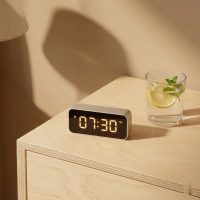
Ever wondered what separates a perfectly cooked meal from one that’s just “okay”? Often, it’s not a secret ingredient or a fancy technique, but simply precise timing. That’s where a trusty digital cooking timer steps in, transforming your kitchen from a guessing game into a zone of culinary precision. Whether you’re a seasoned chef or a weekend warrior in the kitchen, mastering this humble gadget can elevate your dishes, prevent overcooking, and ensure every meal is a masterpiece. Forget burnt edges or undercooked centers – it’s time to embrace the power of accuracy with your digital cooking timer.

What is a Digital Cooking Timer and Why Do You Need One?
At its core, a digital cooking timer is a device designed to measure and indicate time, typically for culinary purposes. Unlike traditional mechanical timers, digital versions offer unparalleled accuracy, often down to the second, along with a host of user-friendly features. This precision is crucial for recipes that demand exact cooking times, from delicate soufflés to perfectly roasted meats. Beyond just preventing kitchen disasters, these timers free you up to multitask, knowing you’ll be alerted precisely when it’s time to check on your dish.
The Undeniable Advantages of Digital Over Mechanical
Why go digital? Simple: accuracy, versatility, and convenience. Digital timers eliminate the “tick-tock” guesswork, providing clear, easy-to-read displays and often louder, more distinct alarms. They often come with features like multiple countdowns, memory functions, and even built-in thermometers, making them far more than just a basic alarm clock for your food.
Diving Deep: Types of Digital Cooking Timers
The world of digital cooking timers is surprisingly diverse, catering to various culinary needs and preferences. Understanding the different types can help you pinpoint the perfect gadget for your kitchen adventures.
Simple Countdown/Count-Up Timers
What are they? These are the most common type, offering basic countdown functionality for a set period and often a count-up (stopwatch) feature.
Why choose them? Ideal for everyday tasks like boiling eggs, steeping tea, or baking a single item. They are usually straightforward, user-friendly, and highly affordable.
Multi-Channel Digital Timers
What are they? These advanced timers allow you to set and monitor multiple independent countdowns simultaneously.
Why choose them? Perfect for complex meals with several components requiring different cooking times, like a holiday feast or a multi-course dinner. No more juggling multiple small timers!
Programmable Timers with Memory Functions
What are they? These timers can save frequently used time settings, making repeat tasks quicker and easier. Some even offer specific presets for common items like pizza or chicken.
Why choose them? Great for bakers who often use the same proofing times or busy home cooks who want to quickly recall their favorite roasting duration.
Integrated Timers (Oven, Microwave, or Thermometer Timers)
|
Our Picks for the Best Digital Timer in 2026
As an Amazon Associate I earn from qualifying purchases.
|
||
| Num | Product | Action |
|---|---|---|
| 1 | Elegant Digital Kitchen Timer, Stainless Steel Model eT-23, Super Strong Magnetic Back, Loud Alarm, Large Display, Auto Memory, Auto Shut-Off by eTradewinds |

|
| 2 | Allbean Magnetic Kitchen Timer for Cooking with Loud Alarm - Large LED Display Rotating Countdown Pomodoro Timer, Preset 5/15/25 Mins Easy for Seniors and Kids,for Baking Grilling Studying |
|
| 3 | VOCOO Digital Kitchen Timer - Magnetic Countdown Countup Timer with Large LED Display Volume Adjustable, Easy for Cooking and for Seniors and Kids to Use (Space Grey) |
|
| 4 | Easy to USE, Digital Kitchen Timer, Magnetic Timer,Tanmalan(Black,1 Pack) |
|
| 5 | 6 Pack Multi-Function Electronic Timer, Learning Management, Suitable for Kitchen, Study, Work, Exercise Training, Outdoor Activities(not Including Battery) |
|
| 6 | 2 Pack Digital Kitchen Timer for Cooking Big Digits Loud Alarm Magnetic Backing Stand Cooking Timers for Baking White |
|
| 7 | GuDoQi Digital Hourglass Pomodoro Timer, Magnetic 1-99 Mins Adjustable Rechargeable Digital Countdown ADHD Timer, Mute/Low Volume/High Low Volume Modes for Work, Study, Back to School, Kitch, Black |
|
| 8 | Visual Kitchen Timer for Cooking,Chef Cooking Timers Clock with Loud Alarm,Timers for Classroom, Home and Study,Mechanical Desk Timer,No Batteries Required,Magnetic Back (Red) |
|
| 9 | Azosowo 2 Pack Digital Timer for Kids, Magnetic Kitchen Timers for Cooking, Egg, Teachers, Classroom, Study, Exercise, Oven Baking - AAA Battery Included |
|
| 10 | VOCOO Digital Kitchen Timer with 7.8” Extra Large Display, Magnetic LED, with 3 Brightness, 4 Alarms and 3 Volume Levels, Battery Powered Countdown Count Up Timer for Cooking, Classroom, Home Gym |
|
What are they? These are timers built directly into other appliances or combined with other kitchen tools, such as meat thermometers.
Why choose them? They offer seamless integration and reduce countertop clutter. A digital meat thermometer with an integrated timer, for instance, can alert you when your roast reaches both its target temperature and its cooking time.
Choosing the Right Digital Cooking Timer for Your Culinary Journey
Selecting the best digital cooking timer depends on your specific needs, cooking habits, and kitchen environment. Here’s a checklist of features to consider before making your purchase:
- Display Clarity: Can you easily read the numbers from across the kitchen or in low light? Look for large digits, backlighting, and good contrast.
- Alarm Volume: Is the alarm loud enough to be heard over kitchen noise, but not so shrill that it sends you jumping? Some timers offer adjustable volume or different alert sounds.
- Mounting Options: Does it have a strong magnet for your fridge, a sturdy kickstand for the counter, or a clip for your apron? Versatility is key.
- Ease of Use: Are the buttons intuitive and responsive? Can you quickly set and reset times without fumbling?
- Durability and Cleanliness: Kitchens can be messy. Is the timer made from robust materials, and is it easy to wipe clean?
- Battery Life and Type: How long do the batteries last, and what type do they use? Standard AA/AAA are convenient.
- Extra Features: Do you need a stopwatch, multiple timers, a clock function, or memory presets? Don’t pay for features you won’t use.
Mastering Your Digital Cooking Timer: Usage and Programming Tips
Once you have your digital cooking timer, knowing how to use it effectively is the next step to becoming a timing maestro.
Basic Setup and Operation
Most digital timers are quite intuitive.
- Insert Batteries: Ensure they’re correctly oriented.
- Power On: Many have an “ON/OFF” switch or simply activate when a button is pressed.
- Set Time: Use the “MIN,” “SEC,” or numerical buttons to dial in your desired countdown. Some have “HR” for hours.
- Start/Stop: Press “START” or a central play button to begin the countdown. Press it again to pause.
- Reset: A “CLEAR” or “RESET” button will return the timer to zero.
- Alarm: The timer will beep when the time expires. Press any button to silence it.
Expert Tip: Leverage Presets and Memory Functions
If your timer has memory functions, use them! For frequently timed tasks, programming a preset will save you precious seconds and reduce errors. For example, if you always boil pasta for 8 minutes, save that time and recall it with a single button press.
“A precise timer is the unsung hero of perfect dishes. It’s not just about avoiding burnt food; it’s about consistency, ensuring that every time you prepare a dish, it meets your exacting standards. Never underestimate the power of a well-timed process.” – Chef Anya Petrova, Culinary Instructor at The Global Kitchen Institute.
Beyond the Kitchen: Unexpected Uses for Your Digital Timer
While its name suggests culinary applications, a digital cooking timer is a versatile tool that can be surprisingly useful outside the kitchen.
- Productivity Boost: Use it for the Pomodoro Technique (25 minutes work, 5 minutes break) to improve focus.
- Exercise & Fitness: Time your planks, rest periods between sets, or even short sprints.
- Children’s Activities: Set limits for screen time, homework sessions, or even turn-taking during games.
- Gardening: Remind yourself to water plants or check on seedlings.
- Meditation: Keep track of your mindfulness sessions without constantly checking a clock.
- Laundry: Avoid clothes sitting too long in the washer or dryer.
Troubleshooting Common Digital Cooking Timer Issues
Even the most reliable digital cooking timer can sometimes act up. Here are quick fixes for common problems:
My Timer Won’t Turn On or Has a Faint Display.
What’s the problem? This is almost always a battery issue.
Quick fix: Replace the batteries. Ensure they are inserted correctly, observing the positive (+) and negative (-) terminals. If using rechargeable batteries, ensure they are fully charged.
The Buttons Aren’t Responding.
What’s the problem? Dirt or food residue might be stuck under the buttons, or there could be a software glitch.
Quick fix: Gently clean around the buttons with a damp cloth or a cotton swab. If it’s a software issue, try removing the batteries for a minute to perform a “hard reset,” then reinsert them.
The Alarm is Too Quiet (or Too Loud).
What’s the problem? Many timers have fixed volume, but some offer adjustments.
Quick fix: Check your timer’s manual for volume settings. If there are none, ensure the speaker isn’t blocked by crumbs or debris. If the alarm is too quiet for your needs, consider investing in a timer with adjustable volume or a louder alert.
My Timer Isn’t Accurate.
What’s the problem? Digital timers are generally very accurate. This is rare unless the timer is faulty.
Quick fix: Compare it against a known accurate clock (like your phone’s clock). If there’s a significant discrepancy, it might be time for a new timer.
Frequently Asked Questions About Digital Cooking Timers
Q1: How accurate are digital cooking timers compared to mechanical ones?
Digital cooking timers are significantly more accurate than mechanical timers, typically measuring time down to the second, whereas mechanical timers can often have slight variations due to their spring-wound mechanisms.
Q2: Can I use a digital cooking timer for both countdown and count-up functions?
Many digital cooking timers offer both countdown and count-up (stopwatch) functionalities. The count-up feature is useful for measuring elapsed time, such as how long a dish has been resting.
Q3: What should I look for in a digital cooking timer for baking?
For baking, prioritize accuracy, an easy-to-read display, and a reliable alarm. Multi-channel timers can be very useful if you’re baking multiple items or need to track different stages like proofing and baking time.
Q4: Are there digital cooking timers that can withstand high heat, like inside an oven?
Generally, standalone digital cooking timers are not designed to go inside an oven. However, many digital meat thermometers come with an integrated timer and a probe that can withstand oven temperatures, allowing you to monitor both time and internal temperature.
Q5: How do I clean my digital cooking timer?
Most digital cooking timers can be cleaned by wiping them down with a damp cloth. Avoid submerging them in water or using harsh abrasive cleaners, as this can damage the electronics or the display.
Q6: Can I pause a digital cooking timer once it has started counting down?
Yes, most modern digital cooking timers include a pause function, allowing you to temporarily stop the countdown and resume it when ready. This is handy if you need to briefly attend to something else without losing your timing.
Conclusion: Embrace Precision with Your Digital Cooking Timer
From perfecting your morning eggs to orchestrating an elaborate dinner party, a reliable digital cooking timer is an indispensable tool in any modern kitchen. It brings unparalleled accuracy, frees you to multitask, and helps you achieve consistent, delicious results every time. By understanding the different types, choosing wisely, and utilizing its full potential, you’re not just buying a gadget; you’re investing in culinary confidence. So go ahead, set that timer, and savor the satisfaction of perfectly timed perfection!
Smart home that does not lock you in
Practical specs, not advice. Unsubscribe anytime.