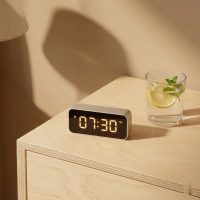
In our fast-paced world, managing time effectively is more crucial than ever. That’s where the digital clock timer steps in, transforming how we control everything from our morning routine to industrial processes. Forget the days of guesswork and manual adjustments; these sophisticated devices offer unparalleled precision and convenience, integrating seamlessly into our daily lives. Whether you’re a home automation enthusiast, a culinary wizard, or a professional overseeing complex machinery, understanding the ins and outs of a modern digital clock timer is key to unlocking efficiency and simplifying your tasks. This comprehensive guide will walk you through everything you need to know, from their fundamental workings and diverse types to advanced programming and smart buying tips, ensuring you become a true master of digital timing.
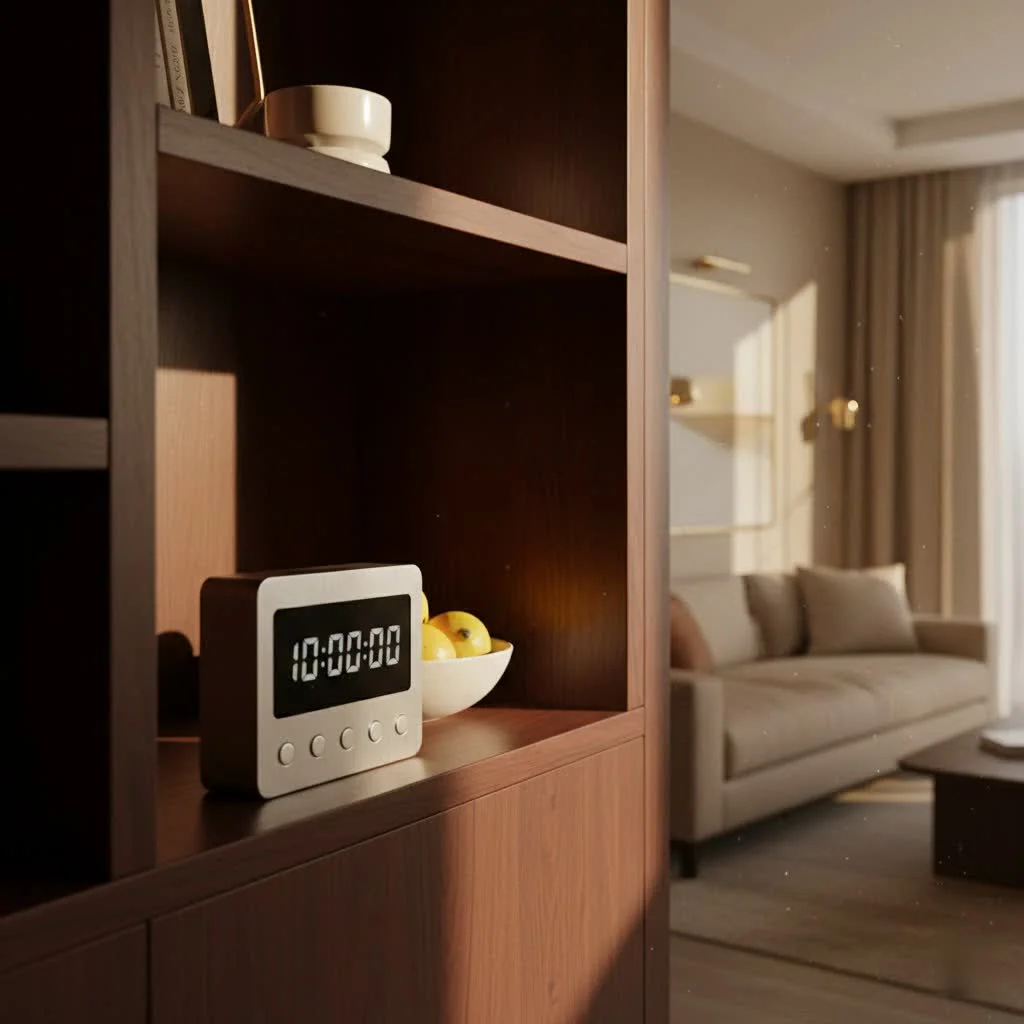
What Exactly is a Digital Clock Timer?
At its heart, a digital clock timer is an electronic device designed for exact time measurement and control. Unlike its older, mechanical counterparts that rely on springs and gears, a digital clock timer harnesses the power of a microcontroller. This tiny brain allows it to perform a vast array of functions beyond simply ticking away seconds. It precisely displays the current time in hours, minutes, and seconds on an LED or LCD screen, and it’s fully programmable for countdowns, scheduled operations, and repetitive cycles. This technological leap has made digital timers indispensable for automation, assembly systems, energy management, and production lines, offering unmatched accuracy and versatility.
Diving Deep into Digital Timer Types
The world of digital clock timers isn’t one-size-fits-all; it’s a diverse landscape tailored to specific needs. Understanding the different types helps you choose the perfect tool for your particular challenge.
What are the main types of digital clock timers?
Digital timers can broadly be categorized by their core functionality and their intended application, making it easier to select one that fits your needs like a glove.
Function-Specific Digital Timers
These timers are engineered for particular timing sequences crucial in industrial and complex automation settings.
- On-Delay Timers: Imagine needing a motor to start a few seconds after a signal is given. An on-delay timer does precisely this: it waits a predetermined period after receiving an input signal before energizing its output. This prevents sudden surges and ensures sequential operations in industrial machinery or conveyor systems.
- Cyclic On First Timers: Perfect for repetitive tasks, these timers cycle between ON and OFF states for preset durations. As long as the power and start signal are active, the output switches ON for a set time, then OFF for another set time, continuously repeating the cycle. Think of ventilation systems that need to run intermittently.
- Interval Delay Timers: With these, the relay energizes immediately upon receiving an input signal but then deactivates once a set time period has elapsed. They’re useful for brief, controlled bursts of activity.
- Delay-Off Timers: These timers begin their timing function only when the power supply is interrupted, keeping the output active for a set period before turning off.
- One-Shot Timers: Designed to activate an output for a single, fixed duration after being triggered, regardless of how long the trigger signal lasts.
- Recycle Timers: Similar to cyclic timers, they continuously switch a load ON and OFF at regular intervals as long as the control switch remains closed.
Application-Focused Digital Timers
Many digital clock timers are designed with specific environments or tasks in mind, blending their core timing capabilities with user-friendly features.
- Programmable and Smart Timers: These are your go-to for multi-day schedules. They allow you to set multiple on/off cycles over a 24-hour period or even across a full 7-day week, much like a programmable thermostat. Many can even be controlled via smartphone apps, integrating into smart home ecosystems.
- Astronomic Timers: A specialized form of programmable timer, astronomic timers have built-in intelligence to calculate local sunrise and sunset times. This feature makes them ideal for outdoor lighting control, automatically adjusting throughout the year without manual input.
- Kitchen Timers: Often simple, yet robust, these digital countdown timers are essential for cooking and baking, frequently featuring large displays, loud alarms, and magnetic backs for easy mounting on appliances.
- Industrial Digital Timers: Built to withstand harsh environments, these are highly precise and durable, offering advanced functionalities for managing complex industrial processes, from controlling pump systems to scheduling generator maintenance.
Unlocking the Power: Key Features of Modern Digital Clock Timers
Modern digital clock timers come packed with features that enhance their utility and ease of use. Knowing what to look for can significantly improve your experience.
What features should I look for in a digital clock timer?
|
Our Picks for the Best Digital Timer in 2026
As an Amazon Associate I earn from qualifying purchases.
|
||
| Num | Product | Action |
|---|---|---|
| 1 | Visual Kitchen Timer for Cooking,Chef Cooking Timers Clock with Loud Alarm,Timers for Classroom, Home and Study,Mechanical Desk Timer,No Batteries Required,Magnetic Back (Red) |

|
| 2 | 6 Pack Multi-Function Electronic Timer, Learning Management, Suitable for Kitchen, Study, Work, Exercise Training, Outdoor Activities(not Including Battery) |
|
| 3 | VOCOO Digital Kitchen Timer - Magnetic Countdown Countup Timer with Large LED Display Volume Adjustable, Easy for Cooking and for Seniors and Kids to Use (Space Grey) |
|
| 4 | 2 Pack Digital Kitchen Timer for Cooking Big Digits Loud Alarm Magnetic Backing Stand Cooking Timers for Baking White |
|
| 5 | Allbean Magnetic Kitchen Timer for Cooking with Loud Alarm - Large LED Display Rotating Countdown Pomodoro Timer, Preset 5/15/25 Mins Easy for Seniors and Kids,for Baking Grilling Studying |
|
| 6 | Easy to USE, Digital Kitchen Timer, Magnetic Timer,Tanmalan(Black,1 Pack) |
|
| 7 | Azosowo 2 Pack Digital Timer for Kids, Magnetic Kitchen Timers for Cooking, Egg, Teachers, Classroom, Study, Exercise, Oven Baking - AAA Battery Included |
|
| 8 | GuDoQi Digital Hourglass Pomodoro Timer, Magnetic 1-99 Mins Adjustable Rechargeable Digital Countdown ADHD Timer, Mute/Low Volume/High Low Volume Modes for Work, Study, Back to School, Kitch, Black |
|
| 9 | Elegant Digital Kitchen Timer, Stainless Steel Model eT-23, Super Strong Magnetic Back, Loud Alarm, Large Display, Auto Memory, Auto Shut-Off by eTradewinds |
|
| 10 | VOCOO Digital Kitchen Timer with 7.8” Extra Large Display, Magnetic LED, with 3 Brightness, 4 Alarms and 3 Volume Levels, Battery Powered Countdown Count Up Timer for Cooking, Classroom, Home Gym |
|
Choosing the right digital clock timer means considering features that match your lifestyle and operational demands.
- High Precision and Reliability: This is non-negotiable. Digital timers, driven by quartz crystals vibrating at precise frequencies (like 32,768 Hz), offer superior accuracy compared to mechanical versions. Look for models known for consistent, error-free operation, especially in critical applications.
- Multi-functionality and Wide Timing Range: The best digital clock timers offer more than just a simple countdown. They provide advanced operational modes, including count-up, multiple programmable ON/OFF cycles, and a broad timing range (from seconds to several days or even weeks). This versatility allows them to adapt to various tasks, from a quick kitchen countdown to a complex weekly lighting schedule.
- Intuitive User Interface: A clear, easy-to-read LED or LCD display is crucial, often with backlighting for visibility in low-light conditions. Tactile buttons, a user-friendly keypad, or even a responsive dial can make programming straightforward. Large digits are a bonus for those with visual impairments.
- Customizable Alarms and Alerts: Beyond a standard beep, look for adjustable volume settings, a mute function for quiet environments like libraries or offices, or even a vibration mode. Some advanced models offer distinct alarm sounds for different programmed events, helping you differentiate between multiple timers running simultaneously.
- Robust Power Options: Most household digital timers are battery-powered for portability, offering flexibility in placement. However, models that rely on an AC adapter provide continuous power without the need for battery replacements, ideal for permanently installed setups or high-drain applications. Many also include a battery backup to retain settings during power outages.
- Connectivity and Smart Integration: High-end digital clock timers can connect to your home Wi-Fi, allowing you to control and monitor them via a smartphone app. Some integrate with smart home assistants like Amazon Alexa or Google Assistant, enabling voice commands for even greater convenience.
- Memory Functions: Essential for retaining your programmed settings even after a power interruption or battery change.
- Compact and Versatile Mounting: Many digital timers are designed to be compact, making them easy to place on a countertop, mount on a wall, or even attach to a magnetic surface like a refrigerator.
Real-World Impact: Diverse Applications of Digital Clock Timers
Digital clock timers are far more than simple gadgets; they are powerful tools that enhance efficiency, save energy, and improve security across a multitude of settings.
Where can digital clock timers be used?
The applications of digital clock timers are incredibly diverse, touching almost every aspect of our lives.
At Home: Convenience, Energy Saving, and Security
For homeowners, a digital clock timer is a game-changer.
- Lighting Control: Automate indoor and outdoor lights to turn on and off at specific times, creating the illusion of occupancy when you’re away, thus deterring potential intruders. It also ensures your home is always well-lit when you arrive.
- Appliance Automation: Control devices like water heaters, coffee makers, slow cookers, aquarium pumps, and ventilation systems. Imagine waking up to freshly brewed coffee or coming home to a perfectly cooked meal.
- Energy Management: Schedule energy-hungry appliances to operate during off-peak hours or simply ensure they turn off when not needed, significantly reducing electricity bills.
- Cooking and Baking: Modern digital kitchen timers are invaluable for multitasking, helping you juggle multiple dishes or perfect complex recipes with precise countdowns and count-ups.
- Temperature Regulation: Program your heating and cooling systems to adjust temperatures based on your schedule, ensuring comfort when you’re home and saving energy when you’re out.
In the Workplace: Industrial Automation and Process Control
In industrial and commercial environments, digital clock timers are critical for operational excellence.
- Process Control: Regulate exact time intervals for industrial machines, conveyor belts, and heating elements, ensuring consistent and precise manufacturing processes.
- Pump and Motor Management: Schedule the operation of pumps and motors in automation systems, preventing wear and tear and optimizing energy consumption.
- Ovens and Incubators: Accurately control temperatures and durations for industrial ovens, incubators, and sterilization equipment in manufacturing and research.
- Generator Maintenance: Automate scheduled cycles for backup generators, ensuring they are regularly tested and ready for emergencies.
- Agricultural Irrigation: Control sprinkler systems to water crops at optimal times, conserving water and maximizing yield.
- Production Lines: Optimize machine working hours in factories, streamlining workflows and reducing human error.
For Personal Growth: Education, Fitness, and Health
Beyond the home and workplace, digital timers contribute to personal well-being and productivity.
- Study Aids: Use countdown timers for focused study sessions, adhering to techniques like the Pomodoro method.
- Fitness Routines: Time your workouts, rest intervals, or specific exercises, ensuring adherence to your training regimen.
- Medication Reminders: Set alarms for taking medication, checking blood pressure, or other health-related schedules, providing essential prompts.
- Public and Commercial Use: From traffic lights and parking meters to elevator displays and digital signage, timers are fundamental to public infrastructure.
Your Step-by-Step Guide: How to Program and Use Your Digital Clock Timer
Programming a digital clock timer might seem daunting at first glance, but it’s often a straightforward process once you understand the basic steps. While specific models may vary, the core principles remain consistent.
How do I set up a digital clock timer?
Let’s break down the general process for setting up your digital clock timer for optimal performance.
- Initial Reset (Clear the Slate): Begin by pressing the “Reset” button (often a small, recessed button requiring a paper clip or pen tip). This clears any previous settings and ensures you’re starting fresh, preventing conflicts.
- Set Current Time and Day: This is critical for accurate scheduling.
- Locate the “Clock” button. Hold it down, and then use the “Hour,” “Minute,” and “Week” (or “Day”) buttons to adjust to the current time and day of the week.
- Pay close attention to AM/PM indicators if your timer uses a 12-hour format, or ensure the 24-hour setting is correct.
- Some advanced timers may auto-synchronize with network time, but manual setting is common for plug-in models.
- Enter ON/OFF Times (Creating Your Schedule): This is where the magic happens.
- Press the “Timer” or “Program” button to enter programming mode. You’ll typically see “1 ON” displayed, indicating the first “ON” event.
- Use the “Day/Week” button to select the days you want this program to run. Options often include individual days, weekdays (Mon-Fri), weekends (Sat-Sun), or all 7 days.
- Set the desired “ON” time using the “Hour” and “Minute” buttons.
- Press “Timer” or “Program” again to switch to the “1 OFF” setting. Set the corresponding “OFF” time.
- Repeat this process for any additional ON/OFF programs you need (e.g., “2 ON,” “2 OFF,” and so on). Many timers support multiple daily programs.
- Activate “Auto” Mode: Once all your programs are set, switch the timer to “Auto” mode. This is usually a physical switch or a button labeled “On-Auto-Off.” In “Auto” mode, the timer will execute your programmed schedule. If it’s left on “On” or “Off” manually, it will override the schedule.
- Connect Your Device: Finally, plug your timer into a wall outlet, and then plug the electrical device you wish to control into the timer’s outlet. Ensure the device itself is switched to the “ON” position so the timer can cut or restore power as scheduled.
Pro Tip: When setting schedules, consider adding a few minutes of “buffer time” around your critical needs. For example, if you need lights on by 5 PM, set the timer for 4:58 PM. This allows for seamless transitions and avoids hard-stops.
Smooth Sailing: Troubleshooting Common Digital Clock Timer Issues
Even the most reliable digital clock timers can occasionally encounter hiccups. Knowing how to troubleshoot common issues can save you time and frustration.
My digital clock timer isn’t working, what should I do?
When your digital clock timer isn’t performing as expected, a systematic approach to troubleshooting can often identify and resolve the problem.
- Verify Current Time and Day: This is the most frequent culprit. If the internal clock of your timer is incorrect, all your schedules will be off. Double-check that the current hour, minute, and day of the week are set accurately, including AM/PM.
- Confirm ON and OFF Times for Each Program: Ensure that every programmed event has both a start (“ON”) time and an end (“OFF”) time. A missing “OFF” time can leave a device running indefinitely, while a missing “ON” time means it will never activate.
- Check the Operating Mode: Most digital clock timers have modes like “ON,” “OFF,” and “AUTO.” Your timer must be switched to “AUTO” (or “Program” or “Timer”) for it to follow its programmed schedule. If it’s stuck on “ON” or “OFF,” it will bypass your settings.
- Device Power Status: Ensure the appliance or device plugged into the timer is switched to its “ON” position. The timer provides power to the device; it doesn’t operate the device’s internal power switch. If the device itself is off, the timer won’t be able to turn it on.
- Power Supply to the Timer: Confirm that the timer itself is receiving power from the wall outlet. If it’s a battery-powered unit, check the battery level or replace the batteries. A blank display often indicates a power issue.
- Reset and Reprogram: If all else fails, a full reset can often clear any internal glitches. Use the reset button to wipe all settings, then carefully follow the programming steps again from the beginning. This is like a fresh start for your timer.
- Consult the Manual: Every digital clock timer comes with a user manual. Specific button layouts and advanced features mean that your manual is always your best friend for model-specific troubleshooting.
Making the Smart Choice: A Buyer’s Guide for Your Next Digital Clock Timer
With countless options on the market, choosing the right digital clock timer can feel overwhelming. Here’s what to consider to make an informed decision.
- Assess Your Needs First: Start by clearly defining how you’ll use the timer. Do you need a simple kitchen countdown, a programmable timer for multiple home lights, or a heavy-duty industrial unit? This will narrow down your choices significantly. For most home users, a digital timer with clear alerts, a large display, and battery backup strikes an ideal balance of reliability and functionality. [cite: 1, SportSurge snippet]
- Evaluate Display and User Interface:
- Display Type: Opt for high-contrast LCD or LED screens, especially with backlighting, if you’ll use it in dimly lit areas. Check viewing angles, as some screens fade when viewed off-center. Large, clear digits are paramount for ease of reading.
- Controls: Look for intuitive buttons, a logical layout, and easy-to-understand programming steps. Clunky interfaces lead to frustration.
- Consider Sound Options and Alerts:
- Volume Settings: Can you adjust the alarm volume? A loud beep is great for a noisy kitchen, but a silent vibration or a low setting might be better for an office or bedroom.
- Multiple Alarms: If you plan to run multiple timed events simultaneously, look for timers that offer distinct alarm sounds for each, or at least a clear visual indicator.
- Power Source and Portability:
- Battery-Powered: Offers maximum portability and flexibility in placement, but requires battery replacements. Look for long battery life and indicators.
- AC Adapter: Provides continuous power, ideal for fixed installations, but limits placement to near an outlet. Many combine both for convenience and backup.
- Timing Range and Functions:
- Countdown/Count-up: Most timers offer countdown, but a count-up feature can be useful for tracking elapsed time.
- Range: Standard ranges from 1 minute to 24 hours, but some advanced models can go up to 99 hours or even longer for specific applications.
- Programs: How many ON/OFF programs do you need per day or week?
- Durability and Mounting:
- Build Quality: For kitchen or industrial use, robust construction and water resistance are key.
- Mounting: Look for options like magnetic backs, kickstands, or wall-mount holes for versatile placement.
- Connectivity and Smart Features (Optional): If integrating with a smart home system or remote control is important, explore Wi-Fi-enabled or Bluetooth models.
As Kenws’s lead expert, I always advise clients to invest in a timer that truly aligns with their operational rhythm. “A well-chosen digital clock timer isn’t just a purchase; it’s an investment in your peace of mind and productivity,” says Dr. Anya Sharma, a renowned expert in automation technology. “The right device simplifies complex routines and frees up your mental bandwidth for what truly matters.”
Conclusion
The digital clock timer is an unsung hero of modern efficiency, offering a blend of precision, versatility, and convenience that was once unimaginable. From automating your home lighting to streamlining intricate industrial processes, these devices empower you to take control of your time, save energy, and enhance security. By understanding the diverse types, key features, and practical applications of a digital clock timer, you’re not just buying a gadget—you’re investing in a smarter, more efficient way of living and working. Take the leap, explore the possibilities, and experience the transformative power of mastering your digital timing. Your journey to optimized time management begins now!
Smart home that does not lock you in
Practical specs, not advice. Unsubscribe anytime.