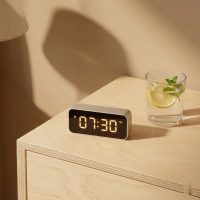
In our fast-paced lives, timing is everything. From brewing the perfect cup of coffee to managing complex industrial processes, precision can make all the difference. And when that precision needs to stand up to the elements, a waterproof digital timer becomes an indispensable tool. You see, these aren’t just fancy gadgets; they’re resilient workhorses designed to bring accuracy and convenience to even the wettest environments. For over a decade, I’ve seen firsthand how the right digital timer can transform tasks, and when it comes to battling moisture, only a truly waterproof model makes the cut.
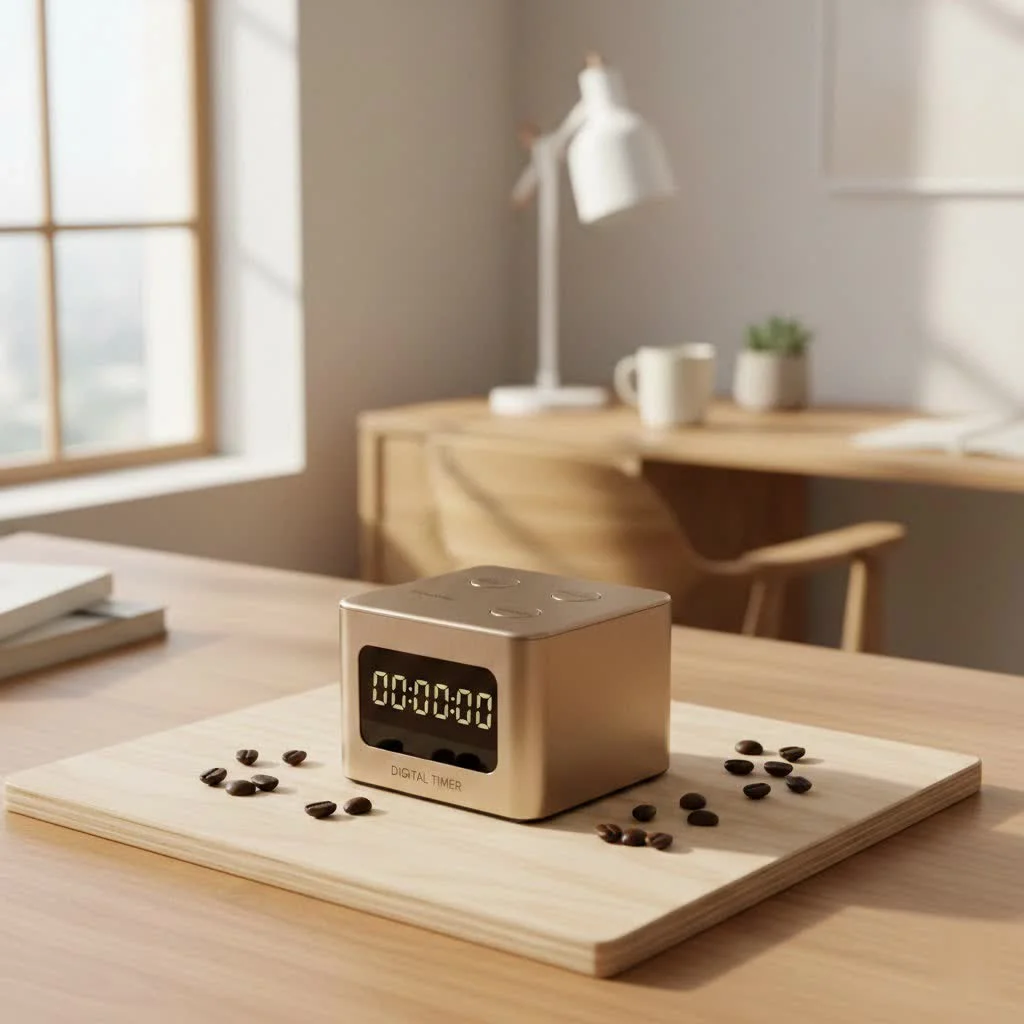
Why Waterproof Matters: Understanding IP Ratings
Ever wondered what “waterproof” truly means when you see it on a timer? It’s more than just a marketing buzzword; it’s a promise backed by an international standard called the Ingress Protection (IP) rating. This two-digit code tells you exactly how well a device is protected against solids (like dust) and liquids (like water). For compare top digital timers on this site.
What is an IP Rating?
The “IP” stands for Ingress Protection, and the two numbers that follow provide specific details. The first digit (0-6) indicates protection against solid particles, with 6 being dust-tight. The second digit (0-9) signifies protection against liquids, where higher numbers mean greater resistance to water. For instance, an IP67 rating means the device is completely dust-tight and can withstand immersion in water up to 1 meter for 30 minutes. An IPX4 rating, on the other hand, means it’s protected against splashing water from any direction, with “X” indicating no specific rating for solid particle protection.
Common IP Ratings for Digital Timers
For digital timers, especially those meant for wet environments, you’ll often encounter specific IP ratings. An IPX4 or IP54 timer is typically considered “water-resistant,” handling splashes and light rain well, making them suitable for kitchen use or outdoor areas with some shelter. If you need something for the shower or direct rain exposure, look for IPX66 (can withstand powerful water jets) or IPX7 (can be submerged up to 1 meter for 30 minutes) ratings. These higher ratings indicate true “waterproof” capabilities, crucial for reliability in challenging conditions.
Beyond the Kitchen: Diverse Applications of Waterproof Digital Timers
The beauty of a waterproof digital timer lies in its versatility. Its ability to brave moisture opens up a world of possibilities beyond what a standard timer could ever handle.
In the Home: Kitchen, Shower, Laundry
Think about it: your kitchen is a splash zone. Washing hands, boiling pasta, or rinsing vegetables—all involve water. A waterproof digital timer is perfect for ensuring your pasta is al dente or your sourdough gets its precise proofing time without fear of water damage. In the bathroom, a waterproof shower timer helps manage water usage and keeps morning routines on track. No more guessing how long you’ve been in there! Even in the laundry room, for specific soaking times or delicate cycles, a splash-proof timer can be surprisingly useful.
Outdoor & Garden: Irrigation, Lighting, Pool Control
|
Our Picks for the Best Digital Timer in 2026
As an Amazon Associate I earn from qualifying purchases.
|
||
| Num | Product | Action |
|---|---|---|
| 1 | Visual Kitchen Timer for Cooking,Chef Cooking Timers Clock with Loud Alarm,Timers for Classroom, Home and Study,Mechanical Desk Timer,No Batteries Required,Magnetic Back (Red) |

|
| 2 | 2 Pack Digital Kitchen Timer for Cooking Big Digits Loud Alarm Magnetic Backing Stand Cooking Timers for Baking White |
|
| 3 | 6 Pack Multi-Function Electronic Timer, Learning Management, Suitable for Kitchen, Study, Work, Exercise Training, Outdoor Activities(not Including Battery) |
|
| 4 | Elegant Digital Kitchen Timer, Stainless Steel Model eT-23, Super Strong Magnetic Back, Loud Alarm, Large Display, Auto Memory, Auto Shut-Off by eTradewinds |
|
| 5 | VOCOO Digital Kitchen Timer - Magnetic Countdown Countup Timer with Large LED Display Volume Adjustable, Easy for Cooking and for Seniors and Kids to Use (Space Grey) |
|
| 6 | GuDoQi Digital Hourglass Pomodoro Timer, Magnetic 1-99 Mins Adjustable Rechargeable Digital Countdown ADHD Timer, Mute/Low Volume/High Low Volume Modes for Work, Study, Back to School, Kitch, Black |
|
| 7 | Azosowo 2 Pack Digital Timer for Kids, Magnetic Kitchen Timers for Cooking, Egg, Teachers, Classroom, Study, Exercise, Oven Baking - AAA Battery Included |
|
| 8 | Allbean Magnetic Kitchen Timer for Cooking with Loud Alarm - Large LED Display Rotating Countdown Pomodoro Timer, Preset 5/15/25 Mins Easy for Seniors and Kids,for Baking Grilling Studying |
|
| 9 | VOCOO Digital Kitchen Timer with 7.8” Extra Large Display, Magnetic LED, with 3 Brightness, 4 Alarms and 3 Volume Levels, Battery Powered Countdown Count Up Timer for Cooking, Classroom, Home Gym |
|
| 10 | Easy to USE, Digital Kitchen Timer, Magnetic Timer,Tanmalan(Black,1 Pack) |
|
This is where waterproof digital timers truly shine. For the avid gardener, a waterproof digital timer for irrigation systems is a game-changer. You can set precise watering schedules for your lawn, potted plants, or vegetable patch, ensuring they get the right amount of hydration, even when you’re away or the skies open up. For landscape lighting, pool pumps, or outdoor water features, these timers automate “on” and “off” cycles, saving energy and adding convenience. Imagine your patio lights coming on just as dusk settles, perfectly synchronized, rain or shine.
Industrial & Commercial: Heavy-Duty Operations
In industrial settings, where machinery might be hosed down or exposed to high humidity, waterproof digital timers are essential for safety and efficiency. They control pumps, ventilation systems, and other heavy-duty appliances, ensuring operations run smoothly regardless of environmental conditions. For agricultural applications, they can manage feeding times or regulate grow lights in humid greenhouses. The robust design of many industrial waterproof timers means they can withstand demanding usage, making them invaluable assets.
Types of Waterproof Digital Timers: Finding Your Perfect Match
Just like there are many uses, there are different types of waterproof digital timers, each tailored for specific needs.
Simple Shower Timers
These are typically compact, often with suction cups or magnetic backs for easy mounting in bathrooms. They usually feature basic countdown/count-up functions and a clear display, designed with high IP ratings (like IPX7) to withstand direct water exposure. They’re great for promoting water conservation or ensuring kids don’t spend too long in the shower.
Heavy-Duty Outdoor Plug-in Timers
These are built to control outdoor appliances. They often come with grounded outlets and robust, weatherproof enclosures (e.g., IP66 or IP67 rated) to protect against rain, snow, and dust. Many offer multiple programmable events, ideal for holiday lights, pond aerators, or engine block heaters. Some even have photocell sensors to activate at dusk and turn off at dawn.
Smart Water Timers for Irrigation
Modern smart timers connect to your Wi-Fi, allowing you to control irrigation schedules from your smartphone. These often include advanced features like rain delay functions (pausing watering based on local weather forecasts) and customizable zones. While some smart timers might only be water-resistant (IPX4/54), many are designed with strong IP ratings (like IP55) to ensure durability in garden environments, facing splashes and direct rain. These are fantastic for optimizing water usage and maintaining a lush garden with minimal effort.
Multi-Function Timers
These are versatile timers often found in kitchens or labs, offering multiple simultaneous countdowns, count-ups, and clock functions. While some might only be water-resistant, many higher-end models feature robust, easy-to-clean cases that can handle splashes and quick rinses, making them suitable for busy, potentially messy environments.
Key Features to Look for in a Waterproof Digital Timer
Choosing the right waterproof digital timer involves more than just picking one that looks good. You need to consider its capabilities and how they align with your specific application.
Durability & Build Quality
Beyond the IP rating, consider the overall construction. Is it made of robust plastic or metal? Does it feel sturdy? For outdoor or industrial use, look for impact resistance and durable seals. For kitchen use, easy-to-clean surfaces are a plus. As our lead engineer, John “Timer-Tech” Smith, often says, “A waterproof rating is only as good as the timer’s structural integrity. You need both to truly defy the elements.”
Display & User Interface
A clear, easy-to-read display is paramount, especially if you’re checking it in bright sunlight or a dimly lit shower. Look for large digits, backlighting (if used in low light), and good contrast. The buttons should be tactile and easy to operate, even with wet hands. Intuitive controls mean less frustration and more efficient use.
Programming Flexibility
How complex are your timing needs? Do you need simple countdowns, or do you require multiple on/off cycles per day, different settings for weekdays vs. weekends, or even astronomical settings that adjust with sunrise/sunset? Consider the maximum number of programmable events and the minimum interval between them. For irrigation, a rain delay feature is incredibly valuable.
Power Source & Battery Life
Waterproof digital timers are typically battery-powered or plug-in. Battery-powered units offer portability but require battery changes (often CR2032 or AAA). Look for models with good battery life indicators. Plug-in timers, common for outdoor outlets, offer continuous power but require access to an electrical source. Some even have self-charging backup batteries to retain settings during power outages.
Mounting Options
Depending on where you plan to use it, consider how the timer can be mounted. Common options include strong magnets (for fridges, shower doors), suction cups, fold-out kickstands (for countertops), or hanging holes. For outdoor plug-in timers, sturdy stakes or wall-mounting options are important.
How to Choose the Right Waterproof Digital Timer for Your Needs
With so many options, narrowing down your choice can feel daunting. Here’s a straightforward approach:
Assess Your Environment and Application
First, define where and how you’ll use the timer. Is it for a brief shower, constant outdoor exposure, or an industrial washdown area? This will directly dictate the required IP rating. A kitchen timer needs to handle splashes, while a pool pump timer needs full weather resistance. Understand the specific challenges your environment presents.
Consider Your Programming Requirements
Think about the complexity of your schedule. Do you need a simple “set and forget” timer for a specific duration, or do you need a highly programmable device with multiple daily cycles, weekly repetitions, or even smart features like app control and weather-based adjustments? Don’t overpay for features you won’t use, but also don’t undersell your needs.
Budget and Brand Reputation
As with any purchase, your budget plays a role. While it’s tempting to go for the cheapest option, remember that durability and reliability are often tied to quality. Invest in a reputable brand known for producing robust and accurate timers. Reading reviews from other users can provide valuable insights into real-world performance and longevity.
Setting Up and Programming Your Waterproof Digital Timer
Getting your waterproof digital timer up and running is usually straightforward, but a few tips can make it even easier.
Basic Setup Steps
- Install Batteries (if applicable): For battery-powered units, insert the specified batteries, ensuring correct polarity.
- Set Current Time: Most digital timers will require you to set the current time and often the day of the week.
- Enter Program Mode: Locate the “Program,” “Set,” or “Mode” button.
- Set ON/OFF Times: Follow the instructions to input your desired start and end times for each event. For outdoor plug-in timers, you might set “Program 1 ON” and “Program 1 OFF.”
- Select Days: Choose which days of the week each program should run (e.g., everyday, weekdays, weekends, specific days).
- Save Settings: Confirm and save your settings, then exit program mode.
- Activate Timer: Switch the timer to “Auto” or “Timer On” mode for it to begin its programmed schedule.
Advanced Scheduling Tips
- Utilize Multiple Programs: If your timer supports it, use different programs for varied tasks. For example, one for garden lights, another for a water feature.
- Leverage Rain Delay (Smart Timers): If you have a smart irrigation timer, activate the rain delay feature during wet weather to conserve water and prevent overwatering.
- Test Programs: After setting up, observe your timer for a full cycle to ensure everything is working as expected.
- Consult the Manual: Every timer is a bit different. Always keep your user manual handy for specific programming instructions, especially for complex features.
Troubleshooting Common Issues with Waterproof Digital Timers
Even the most robust waterproof digital timer can sometimes encounter a hiccup. Here’s how to tackle common problems:
Power Problems
If your battery-powered timer isn’t turning on or the display is dim, the first step is always to check the batteries. Replace them with fresh ones. For plug-in timers, ensure the outlet is functional by plugging in another device. Check for tripped breakers if it’s an outdoor circuit. Sometimes, a “self-charging backup” battery in plug-in models might need time to charge after being unplugged for a long time.
Programming Glitches
“My timer isn’t turning on/off when it should!” This is a common complaint. Often, it’s a simple programming error. Double-check your ON/OFF times and the selected days of the week. Ensure the timer is set to “Auto” or “Timer On” mode, not “Manual” or “Always On.” Some timers have a “reset” button that can clear all settings, allowing you to start fresh if you’re completely stuck.
Water Ingress
While a waterproof digital timer is designed to repel water, extreme conditions or manufacturing defects can sometimes lead to water ingress. If you notice condensation inside the display or erratic behavior after heavy exposure, immediately remove the power source (batteries or unplug). Allow the timer to dry completely in a warm, dry place. If the issue persists, contact the manufacturer. Remember, even waterproof ratings have limits, so always refer to the specific IP rating for your device.
Frequently Asked Questions about Waterproof Digital Timers
What does “water-resistant” mean compared to “waterproof”?
“Water-resistant” means the device can withstand light splashes or rain (typically IPX4 or IP54) [cite: 3 (how to choose)]. “Waterproof” implies a higher level of protection, often allowing for submersion (IPX7 or higher) or resistance to powerful jets (IPX66) [cite: 1 (applications), 2 (how to choose), 4 (how to choose)]. It’s crucial to check the specific IP rating.
Can I use an indoor waterproof timer outdoors?
It depends on the IP rating. A timer with an IP rating suitable for indoor splashes (e.g., IPX4 for a kitchen) might not withstand constant outdoor exposure to rain, dust, and UV light. For outdoor use, look for timers specifically rated for the outdoors, typically with IP55, IP66, or IP67 ratings, ensuring protection against weather elements and often designed with UV-resistant materials [cite: 1 (how to choose)].
How do I maintain my waterproof digital timer?
Maintenance is relatively simple. Regularly wipe down the exterior with a damp cloth to remove dirt or grime. For outdoor units, ensure any drainage holes are clear. Periodically check battery compartments for corrosion and replace batteries as needed. Always ensure covers and seals are properly closed to maintain the waterproof integrity.
Are smart waterproof timers worth the investment?
For many, yes! Smart waterproof timers, especially for irrigation, offer unparalleled convenience and efficiency. Features like remote control, rain delay based on local weather, and detailed scheduling can save water, time, and ensure optimal plant health. The initial investment often pays off through water savings and peace of mind [cite: 3 (how to choose)].
What’s the best way to clean a waterproof digital timer?
For most waterproof digital timers, a soft, damp cloth is sufficient. Avoid abrasive cleaners or harsh chemicals, as these can degrade the seals or damage the display. For heavily soiled outdoor units, a gentle rinse with water might be appropriate, but always ensure its specific IP rating allows for such cleaning. Dry thoroughly afterward.
Conclusion: Embrace the Power of Precision
The waterproof digital timer is far more than a simple clock. It’s a testament to how technology can adapt to our environments, bringing precision, efficiency, and peace of mind to countless tasks. From ensuring your perfectly cooked meal in a bustling kitchen to automating complex outdoor irrigation systems, these rugged devices are designed to perform reliably, rain or shine, splash or spray. By understanding their features, applications, and how to choose the right one, you can unlock a new level of control and confidence in managing your time. So go ahead, embrace the power of precision, and let a waterproof digital timer simplify your world.
Smart home that does not lock you in
Practical specs, not advice. Unsubscribe anytime.